Qin Dynasty Cultural Relics Sword-holding Terracotta Warriors and Horses
The Terracotta Warriors and Horses sculpture depicts the army of Qin Shihuang, the first emperor of China. It is a martyrdom art, buried with the emperor in 210-209 BC, with the aim of protecting Qin Shi Huang in the afterlife.

Terra Cotta Warriors
On March 29, 1974, farmers dug a well about 1.5 kilometers east of the the Mausoleum of the First Qin Emperor in Lishan Mountain and found the Terra Cotta Warriors. Lishan is an area filled with underground springs and waterways. For centuries, there have been occasional reports of pottery figurines and fragments from Qin tombs - roof tiles, bricks, and large blocks of bricks and stones. This discovery prompted Chinese archaeologists, including Zhao Kangmin, to investigate and reveal the largest group of pottery figurines in history. Afterwards, a museum complex was built in the area, with the largest pit surrounded by a roofed structure.

"Terra Cotta Warriors and Horses and Troops"
The Terra Cotta Warriors, namely the Terra Cotta Warriors in the the Mausoleum of the First Qin Emperor, also referred to as the Terra Cotta Warriors or the Terracotta Warriors, are among the first batch of national key cultural relics protection units and the first batch of Chinese world heritage sites. A charioteer refers to a soldier on a chariot, excluding the rider and driver. There are usually two soldiers on a chariot, namely the left chariot figurine and the right chariot figurine. The figurine on the left side of the carriage is dressed in a long robe, covered in armor, with leg guards on the shin and a crossbeam on the head. It holds weapons such as spears, spears, and halberds in its left hand, and presses the carriage in its right hand. The attire of the figurine on the right side of the car is the same as that of the figurine on the left side, but the posture is opposite. They are both the main force of tank warfare, but according to literature records, they have certain differences in weapon configuration and combat responsibilities.

Terracotta Warriors and Horses of the Qin Dynasty
In terms of identity, it is lower than the general figurine and can be classified as intermediate or lower level. The number of Qin terracotta warriors in the pit is extremely small, with less than ten unearthed, divided into two categories: the warrior robe general terracotta warriors and the armored general terracotta warriors. The armored general figurine appears to have a double or single crown on its head, and there are several different forms of armor worn. The terracotta warriors in battle robes are dressed in plain attire, but have floral knots on their chests. The front, back, and shoulders of the armored terracotta warriors are adorned with eight colorful floral knots, which are gorgeous, colorful, and elegant, highlighting their rank, identity, and majesty in the military.

Terracotta Warriors and Horses of the Qin Dynasty
The Terra Cotta Warriors, namely the Terra Cotta Warriors in the the Mausoleum of the First Qin Emperor, also referred to as the Terra Cotta Warriors or the Terracotta Warriors, are among the first batch of national key cultural relics protection units and the first batch of Chinese world heritage sites. A charioteer refers to a soldier on a chariot, excluding the rider and driver. There are usually two soldiers on a chariot, namely the left chariot figurine and the right chariot figurine. The figurine on the left side of the carriage is dressed in a long robe, covered in armor, with leg guards on the shin and a crossbeam on the head. It holds weapons such as spears, spears, and halberds in its left hand, and presses the carriage in its right hand. The attire of the figurine on the right side of the car is the same as that of the figurine on the left side, but the posture is opposite. They are both the main force of tank warfare, but according to literature records, they have certain differences in weapon configuration and combat responsibilities.

Terra Cotta Warriors in the the Mausoleum of the First Qin Emperor
The Terra Cotta Warriors, namely the Terra Cotta Warriors in the the Mausoleum of the First Qin Emperor, also referred to as the Terra Cotta Warriors or the Terracotta Warriors, are among the first batch of national key cultural relics protection units, the first batch of Chinese world heritage sites, and are known as one of the world's top ten rare treasures of ancient tombs. It is located in the Terra Cotta Warriors pit 1.5 kilometers east of the the Mausoleum of the First Qin Emperor in Lintong District, Xi'an, Shaanxi Province. Terra Cotta Warriors is a category of ancient tomb sculptures. In ancient times, human sacrifice was practiced, and slaves were considered as accessories of the slave owner during their lifetime. After the slave owner's death, the slaves were buried as sacrificial objects with the slave owner. The Terra Cotta Warriors are burial objects in the shape of soldiers and horses (chariots, horses, soldiers).

Popular Models
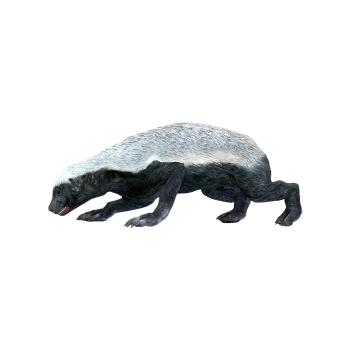
Honey Badger (3D animated model)
194 View
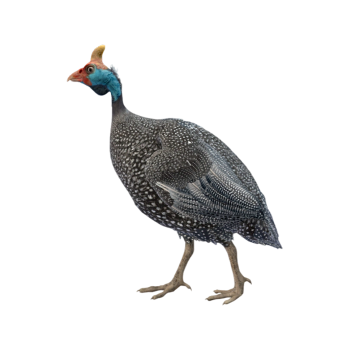
Guinea fowl (3D animated model)
165 View
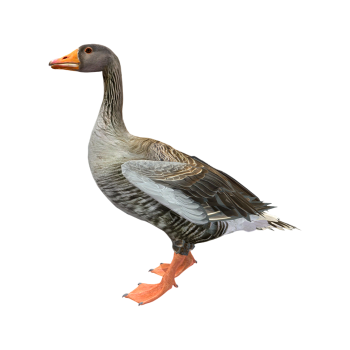
Wild Goose (3D animated model)
187 View
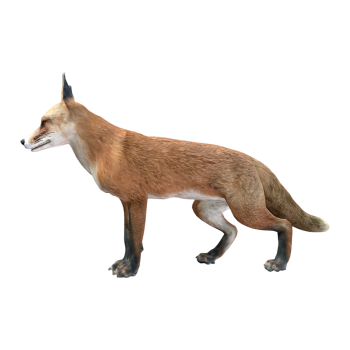
Red Fox (3D animated model)
155 View
Random Model

Grey tabby cat 3D model with animation
1071 View


black sofa
619 View
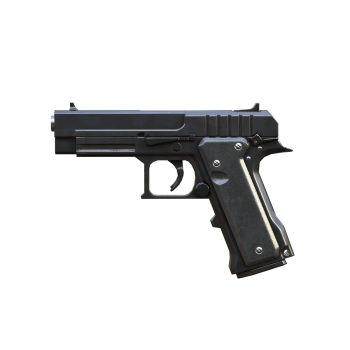
P228 automatic pistol
1324 View
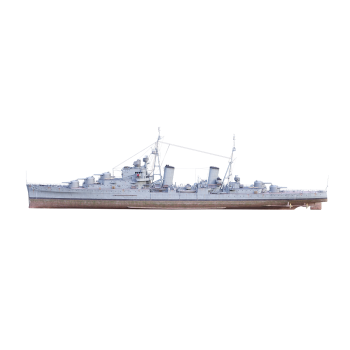

Toledo Type 43 Cannon
587 View

Terra Cotta Warriors
1094 View
Gadulka
731 View
Dead Head Hawk Moth Specimen
725 View